As my faith has matured through prayer, study, and debate with fellow Christians and non-believers alike, I am often confronted by questions like: if salvation is by grace alone, do I actually play any role in believing? Is there a role for my “free will” for which I’ll be accountable on the day of judgement? Is my choice real, or just a formality? And if I can’t not believe once God gives me a new heart, does that make me less human or merely a passive robot?
These are not simple questions to answer. I’ve tried addressing them for years, most recently through a series of reflective blogs, hours of study of the Bible, and diving into the writings left behind by departed saints. These questions touch the very heart of how I understand freedom, responsibility, and the beauty of God’s saving work. I know that I am saved “through faith alone”, and even that faith is unearned, a gift from God.
Drawing from Scripture and the insights of Jonathan Edwards, I think I’ve finally discovered an articulation of salvation where God’s sovereignty and human response are not at odds, but perfectly and gloriously joined.
Of course my discovery is now new. In fact I’ve been perplexed of late wondering if I can even have an original thought. (The strangest one I’ve come up with recently occurred during one of my voluntary collections of litter around my neighborhood. I imaged we’d all enjoy reduced instances of litter if the cost of collecting litter was charged back to the maker of the branded packaging. This would financially incentivize companies like Pepsi, McDonald’s, and others to ramp up their advertising not to merely promote their brand, but to stress socially redeeming behavior, personal responsibility, and communal care for the environment. Perhaps by putting one’s drivers license on the eventually discarded Starbucks’s cup, a litterbug could be tracked down and penalized for their selfishness. But I digress…)
Back to the issue at hand. I’ve recently discovered the term, “compatibilism“, which expresses the view that God’s absolute sovereignty and human freedom are fully compatible. It postulates that we make real, responsible choices—even though those choices are ultimately governed by God’s providence. As for salvation, compatibilism means that when God gives his elect a new heart, they freely and gladly believe—not because they are forced, but because their desires have finally been changed and freed from the bondage of sin’s influence. God’s grace ensures the outcome without violating our will; it restores our will to love what is truly good. To respond to God as we were designed to do – before the fall corrupted our souls.
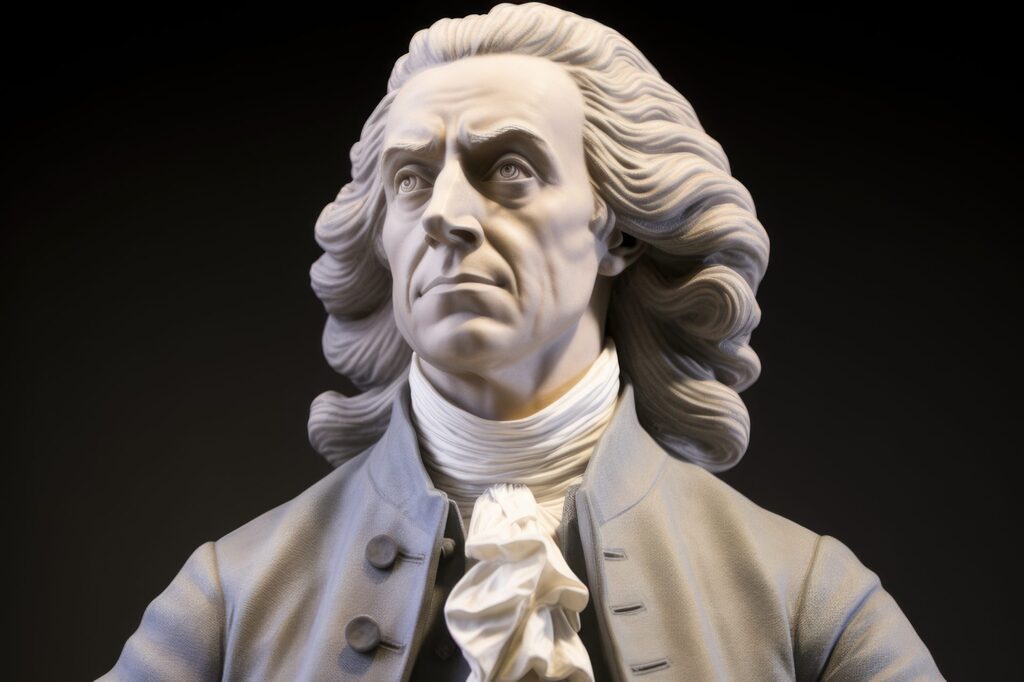
The key question with which I’ve wrestled is this. If God is sovereign and gives faith as a gift, do I really “choose” to believe? With the help of what some call the greatest theologian of all time, Jonathan Edwards, I think the concept is finally starting to gel in my mind.
Edwards famously wrote in Freedom of the Will: “The will is always determined by the strongest motive.”
So while we’re free in one sense, we’re not spiritually neutral—we’re bound by sinful affections and will always choose wrong.
Thankfully, God knows not to wait for us to change our desires—we never, ever will on our own. When he elects us to salvation, he gives a new heart. When God regenerates our heart, we begin to see Christ not just as true, but as beautiful and desirable. The will follows the eyes of the heart—when God opens our eyes, we freely and joyfully choose Him. No blind person was ever made able to see again until they were by the miracles performed by Jesus. This was one of the the strongest signs that He was God, opening our eyes to the truth. This is what happens to our hearts when we are given the gift of faith.
Do I have a choice but to believe? Edwards again, this time from The Miscellanies: “God’s making the sinner willing is the same as his making him see; for the moment he sees God’s glory, he cannot but be willing.”
This is not coercion—it’s spiritual awakening. The heart is made alive, and in that moment of awakened faith, we believe willingly, joyfully, and personally. We see the irresistible beauty of a Creator so generous as to reach down to a corrupt creation and rescue it for all eternity. To give it the sight needed to see the perfection of the union first created in the Garden of Eden and welcome us back into that relationship.
The compatiblism view of salvation safeguards and unites two crucial truths:
- God gets all the glory: Salvation is by grace from start to finish (Ephesians. 2:8–9).
- Your faith choice is real: You truly believe, and that belief matters eternally.
Edwards writings have helped me to see that divine sovereignty and human freedom are not in conflict. When God gives believers a new heart, the will is not destroyed—it is restored, and makes the only choice possible when not blinded by the sin we inherited in the fall. The choice to Believe!